Medical Applications & Markets
Medical Applications and Opportunity
Signal Advance Technology (SAT) is being developed to reduce the effective delay associated with detecting and responding to changes in physical signals. Medical systems increasingly depend on rapid sensing, processing, and intervention, creating a broad opportunity for SAT to improve responsiveness in monitoring, diagnostic, and closed-loop therapeutic applications.
Potential medical applications include:
- Cardiac rhythm management
- Neuromodulation and neurostimulation
- Physiological monitoring and diagnostic instrumentation
- Neuroprosthetics and human-machine interfaces
- Physiologically gated imaging and radiation therapy
- Real-time physiological-signal artifact detection and rejection
- Closed-loop and responsive therapeutic systems
These applications offer multiple development and licensing opportunities. Each implementation would be optimized and validated for its particular signal, device architecture, and clinical purpose, including confirmation of signal accuracy, stability, reliability, and patient safety.
For a general overview of Signal Advance Technology and the broader categories of sensors to which it may apply, see Industrial Applications & Markets.
Cardiac Rhythm Management
Cardiac rhythm management systems monitor the electrical activity of the heart and, when appropriate, deliver pacing or therapeutic stimulation. This field includes:
- Implantable and external pacemakers
- Implantable cardioverter-defibrillators
- Cardiac resynchronization therapy devices
- Cardiac monitoring and diagnostic systems
- Electrophysiology and related control equipment
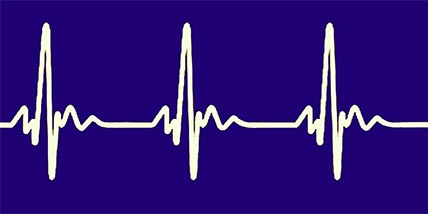
Because these systems depend on the timely acquisition, interpretation, and response to cardiac signals, they represent a particularly promising field for SAT. Potential benefits include earlier recognition of qualifying signal changes, improved timing within sensing and control pathways, and more responsive closed-loop operation.
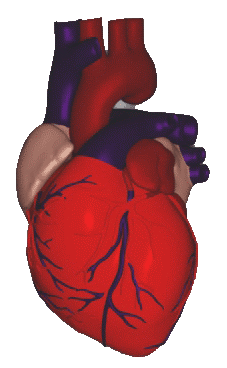
SAT is intended to address the signal-related portion of the overall response pathway. Even where physiological, electrode-interface, safety-logic, or therapeutic delays remain, reducing or offsetting a qualifying acquisition delay could provide a meaningful performance advantage within the complete cardiac system.
The worldwide cardiac rhythm management device market was estimated at approximately $20.8 billion in 2024. One current market analysis projects growth to approximately $36.2 billion by 2033, representing a compound annual growth rate of approximately 6.4% over the forecast period. [1]
Neuromodulation and Neurostimulation
Neuromodulation systems deliver electrical or other forms of stimulation to targeted neural structures. Current and developing applications include:
- Spinal cord stimulation
- Deep brain stimulation
- Vagus nerve stimulation
- Sacral nerve stimulation
- Peripheral nerve stimulation
- Responsive neurostimulation
- Gastric electrical stimulation
These technologies are used or being investigated for chronic pain, movement disorders, epilepsy, urinary and bowel dysfunction, gastroparesis, and other neurological or physiological conditions.
Signal timing is especially important in responsive and closed-loop neuromodulation, where stimulation may be adjusted using detected physiological activity. By reducing a meaningful portion of the sensing or response delay while preserving waveform integrity, SAT could support more responsive stimulation, detection, and control.
The worldwide neurostimulation-device market was estimated at approximately $6.3 billion in 2025 and is projected by one research provider to reach approximately $13.9 billion by 2033, representing projected annual growth of approximately 10.3% from 2026 through 2033. [2] A separate analysis estimates the broader neuromodulation market at approximately $6.81 billion in 2025, increasing to approximately $10.68 billion by 2030. [3]
These estimates use different market definitions and should not be treated as directly interchangeable.
Physiological Monitoring and Diagnostic Systems
Medical monitoring systems acquire signals such as:
- Electrocardiographic activity
- Electroencephalographic activity
- Electromyographic activity
- Blood pressure and blood flow
- Respiration and blood-oxygen saturation
- Temperature and metabolic measurements
- Motion and biomechanical activity
Potential SAT applications include time-sensitive monitoring, event detection, alarm generation, signal synchronization, and artifact identification. Successful integration could improve the speed at which clinically relevant changes are identified while maintaining the signal fidelity and stability required for medical use.
These capabilities could be valuable in bedside and ambulatory monitoring, wearable systems, electrophysiology laboratories, emergency-care equipment, and specialized diagnostic instrumentation.
Closed-Loop and Responsive Therapies
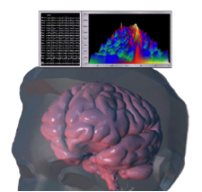
Medical technology is increasingly moving toward systems that sense a physiological condition, analyze the acquired signal, and automatically adjust therapy. Examples include responsive neurostimulation, adaptive deep-brain stimulation, cardiac pacing, automated insulin delivery, rehabilitation systems, and other bioelectronic therapies.
In these systems, total response time can include delays associated with:
- Physiological sensing
- Analog and digital filtering
- Analog-to-digital conversion
- Signal analysis and classification
- Communication between components
- Therapeutic decision logic
- Actuator or stimulation response
- The patient’s physiological response
SAT could be incorporated at the sensing or signal-acquisition stage to reduce qualifying delay before digital analysis and therapeutic decision-making. The strongest commercial opportunities will be applications in which that improvement produces a measurable clinical or operational benefit within the complete system.
Imaging, Radiation Therapy, and Signal Synchronization
Many imaging and therapeutic systems synchronize data acquisition or treatment delivery with respiration, cardiac activity, or patient movement. Potential applications may include:
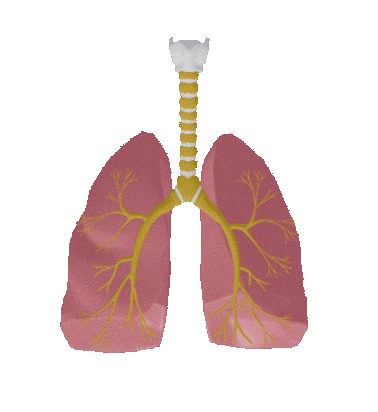
- Cardiac and respiratory gating
- Motion-compensated imaging
- Image-guided radiation therapy
- Real-time synchronization of sensors and treatment equipment
- Earlier identification of movement or physiological-state changes
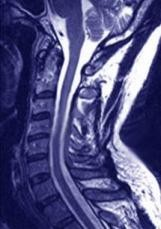
Improved signal timing could help imaging and therapy systems respond more closely to measured cardiac, respiratory, or movement events. Application-specific testing would determine the resulting benefit within the system’s temporal resolution, processing architecture, mechanical response, and safety controls.
Neuroprosthetics and Human-Machine Interfaces
Neuroprosthetic and neural-interface systems translate physiological signals into control commands or deliver information back to the nervous system. Potential applications include:
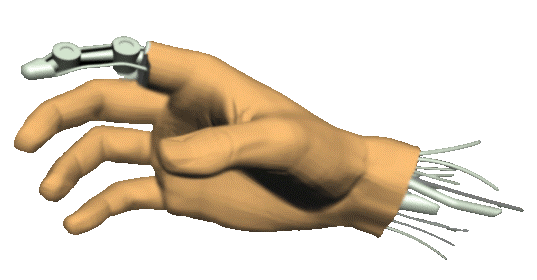
- Prosthetic-limb control
- Assistive communication systems
- Brain-computer interfaces
- Functional electrical stimulation
- Rehabilitation robotics
- Sensory-feedback systems
Reduced signal-processing delay could improve responsiveness, control quality, and the user’s interaction with a prosthetic or assistive device. The achievable benefit would be evaluated together with signal quality, decoding accuracy, bandwidth, user adaptation, and device response.
Real-Time Artifact Detection and Rejection
Physiological measurements are frequently affected by patient movement, electrode displacement, electrical interference, muscle activity, and other artifacts. Earlier identification of a changing artifact condition could improve signal-quality management and reduce the period during which corrupted data influence monitoring or control decisions.
Potential applications include electrocardiography, electroencephalography, electromyography, wearable monitoring, sleep studies, and motion-sensitive diagnostic equipment. SAT could operate alongside established filtering, classification, and clinical decision safeguards to provide an additional timing-performance capability.
Current Market Environment
Cardiac rhythm management and neurostimulation are established, growing medical-device markets in which improved signal timing and closed-loop responsiveness may provide meaningful product differentiation.
Current third-party estimates indicate:
- A global cardiac rhythm management device market of approximately $20.8 billion in 2024, projected to reach approximately $36.2 billion by 2033. [1]
- A global neurostimulation-device market of approximately $6.3 billion in 2025, projected to reach approximately $13.9 billion by 2033. [2]
- A broader global neuromodulation market estimated at approximately $6.81 billion in 2025, projected to reach approximately $10.68 billion by 2030. [3]
Although market estimates vary with the product categories and geographic regions included, they consistently indicate substantial and expanding commercial activity in cardiac rhythm management and neuromodulation.
These market totals demonstrate the scale of the industries in which SAT may be applied. Signal Advance’s realizable opportunity will depend on selecting high-value applications, demonstrating measurable performance benefits, and securing development or licensing relationships with established manufacturers.
Industry Participants
Major participants in cardiac rhythm management, neuromodulation, monitoring, and related medical-device markets include Abbott, Biotronik, Boston Scientific, Edwards Lifesciences, GE HealthCare, LivaNova, Medtronic, MicroPort, Philips, Stryker, and other specialized medical-device and neurotechnology companies.
These organizations and their suppliers represent a substantial ecosystem of potential licensees, development partners, customers, strategic investors, and acquirers, depending on the application and commercialization model.
Regulatory Considerations
Established FDA pathways provide multiple routes for commercializing a medical device incorporating SAT. The applicable pathway would depend on the complete device, its intended use, risk classification, technological characteristics, and effect on safety and effectiveness.
A 510(k) submission is used to demonstrate that a device is substantially equivalent to a legally marketed predicate device. A change to an existing device may require a new 510(k) if it could significantly affect safety or effectiveness or if it constitutes a major change in intended use. [4][5]
High-risk Class III devices generally require Premarket Approval, or PMA. Implantable pacemakers, defibrillators, and many other life-supporting or life-sustaining devices are Class III products. Modifications to an approved Class III system may require a PMA supplement rather than a 510(k). [6][7]
Depending on the product and the role of SAT within it, the applicable pathway could include:
- 510(k) clearance
- De Novo classification
- Premarket Approval
- PMA supplement
- Investigational Device Exemption
- Another device-specific regulatory process
The pathway would be developed with the medical-device manufacturer, regulatory specialists, and the FDA based on the particular product and proposed claims. Applications that preserve an established device’s intended use may offer a more direct development path, while higher-risk implantable applications may require PMA review or a PMA supplement.
Commercial Opportunity
SAT may be especially attractive where it can be incorporated into an established medical platform and provide a measurable performance improvement without changing the platform’s fundamental therapeutic or diagnostic purpose. This adjunctive positioning could support collaboration with existing manufacturers and reduce the need to build complete medical-device platforms independently.
Potential commercialization models include:
- Technology licensing
- Joint development with medical-device manufacturers
- Application-specific engineering agreements
- Component or subsystem integration
- Research collaborations
- Strategic partnerships with sensor, semiconductor, or instrumentation companies
Key commercialization milestones include:
- Reproducible technical validation
- Demonstration of a clinically meaningful benefit
- Preservation of signal fidelity and system stability
- Patient-safety and risk-management analysis
- Compatibility with existing medical-device architectures
- Regulatory requirements and clinical-evidence needs
- Manufacturing and quality-system requirements
- Patent coverage and freedom to operate
- Reimbursement and healthcare economics
- Acceptance by manufacturers, clinicians, and patients
The medical-device industry represents a potentially valuable application and licensing market for SAT. Signal Advance can pursue this opportunity through carefully selected use cases, bench testing, simulation, preclinical evaluation where appropriate, and collaboration with experienced medical-device manufacturers and regulatory specialists.
Signal Advance welcomes discussions with medical-device manufacturers, researchers, sensor and semiconductor companies, and strategic partners regarding application development, technical evaluation, and licensing opportunities.
Technology Resources
To download or view the complete Signal Advance Technology document, please visit the Validations page of our website or click here.
Questions about potential medical applications of Signal Advance technology? Contact us.
Sources
- [Grand View Research–Cardiac Rhythm Management Devices Market]
- [Grand View Research–Neurostimulation Devices Market]
- [MarketsandMarkets–Neuromodulation Market, 2025–2030]
- [U.S. FDA–Premarket Notification 510(k)]
- [U.S. FDA–When a Device Modification Requires a New 510(k)]
- [U.S. FDA–Premarket Approval]
- [U.S. FDA–Regulatory Requirements for Permanent Pacemaker Leads]